Veteran Roofing Contractor for Robust Remedies
Engaging an skilled roofing contractor is crucial for ensuring durable solutions. Their expertise and knowledge of materials can significantly affect a home's longevity and upkeep. A professional contractor not only follows industry standards but also offers insights into optimal options for specific needs. Understanding the benefits and processes involved in choosing the right contractor presents important questions. What should homeowners think about before making their decision?
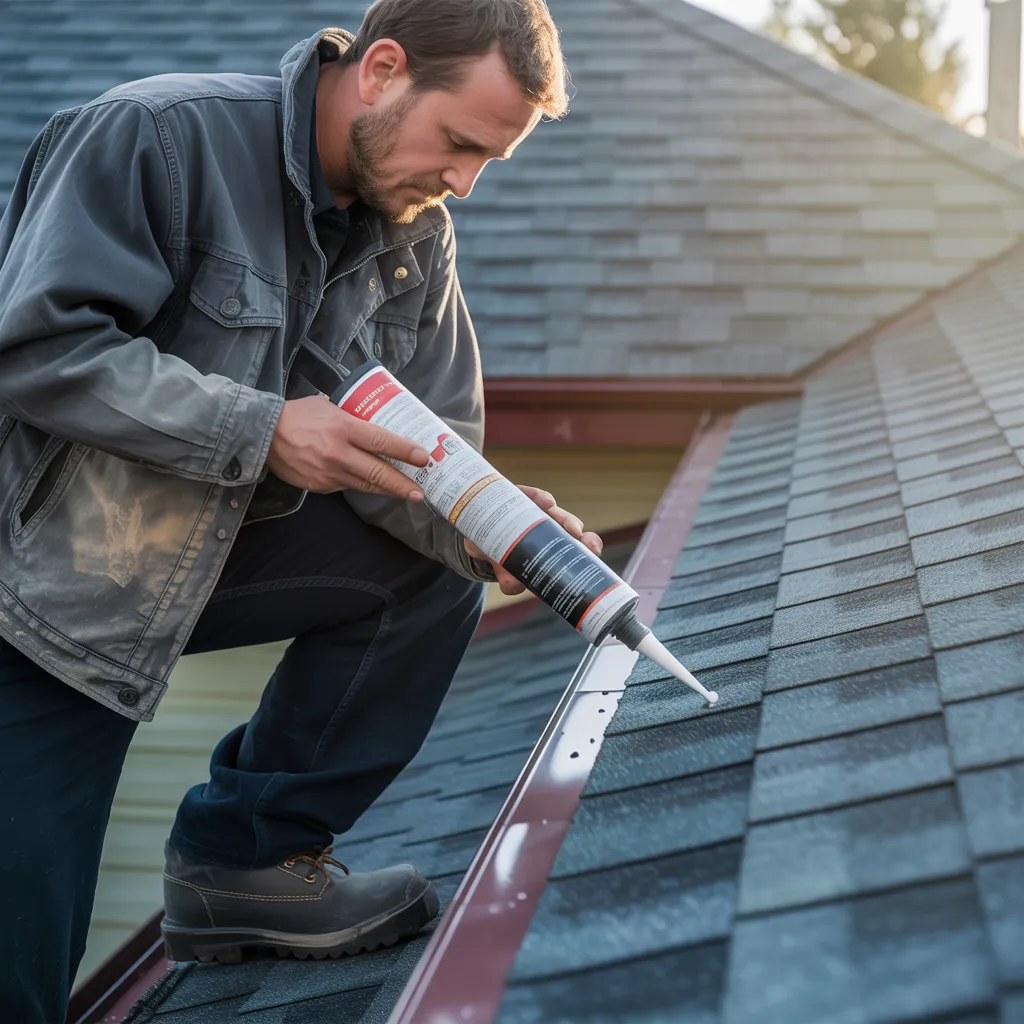
Why Pick an Skilled Roofing Contractor?
When property owners seek roofing solutions, choosing a experienced contractor can significantly influence the quality and durability of the final result. Experienced contractors maintain a wealth of knowledge about various roofing materials and techniques, permitting them to suggest the best options customized to specific needs. Their expertise assures that installations comply with industry standards, reducing the likelihood of future issues.
Additionally, seasoned contractors often maintain long-standing partnerships with suppliers, enabling them to procure high-quality materials at competitive prices. This can result in a more cost-effective project without compromising on quality.
Additionally, seasoned contractors generally provide guarantees on their work, giving homeowners confidence. This guarantee reflects their confidence in the workmanship they deliver. Ultimately, selecting a experienced roofing contractor not only improves the immediate outcome but also supports the lasting functionality and safety of the home.
How to Detect When You Need to Contact a Roofing Contractor?
How can a homeowner determine the suitable point to reach out to a roofing contractor? Spotting the symptoms of roof damage is important for maintaining a safe and operational home. Homeowners should be vigilant for missing, damaged, or bent shingles, which indicate potential damage. Additionally, the presence of discoloration on interior surfaces or walls may suggest leaks that require prompt attention. A bending roofline is another major danger sign, often pointing to underlying issues beneath the surface.
In addition, increased energy expenses can point to poor ventilation or insulation resulting from roofing issues. Scheduled inspections in the wake of harsh weather events, such as storms or heavy snowfall, are necessary to catch any emerging troubles early. If any of these warning signals are found, it is advisable to consult a qualified roofing contractor to examine the state and advise on necessary repairs or replacements. Rapid response can prevent further damage and preserve the lifespan of the roof.
Key Benefits of Selecting a Experienced Roofing Contractor
Retaining a seasoned roofing expert furnishes important benefits, chiefly in mastery and aptitude. These experts are trained to deal with diverse roofing concerns while ensuring the use of quality materials. As such, this yields robust and steadfast roofing solutions that can withstand the test of time.
Professional Knowledge And Abilities
Though many homeowners may ponder tackling roofing projects themselves, the expertise and know-how of a certified roofing professional can greatly enhance the result. These professionals possess targeted instruction and broad experience, enabling them to identify potential issues that an inexperienced observer might overlook. Their command in multiple roofing practices assures correct fitting, which is critical for lasting durability and durability. Furthermore, skilled contractors remain informed on the latest industry standards and safety regulations, limiting risks during the project. By leveraging their capabilities, homeowners can avoid expensive blunders often associated with DIY attempts. Ultimately, engaging a roofing contractor not only leads to higher-quality work but also delivers peace of mind, knowing that the roofing system is in capable hands.
Premium Materials Quality Control
A certified roofing contractor provides not only proficiency but also availability to top-tier materials that strongly influence the durability and performance of a roofing system. By sourcing materials from reliable manufacturers, these contractors make sure that clients receive products designed to withstand environmental stresses, including extreme weather conditions. This dedication to quality reduces the chance of repairs or replacements down the line, providing homeowners peace of mind. Furthermore, professional contractors are informed about the latest industry standards and innovations, enabling them to recommend materials that boost energy efficiency. In the end, choosing to hire a professional roofing contractor guarantees that the roofing project is finished with top-quality materials, leading to a reliable roofing solution.
Varieties of Roofing Materials and Their Longevity
When evaluating roof choices, various types present unique advantages pertaining to durability. Asphalt shingles, known for their affordability, offer a solid alternative, while metal roofing presents enhanced durability and resistance to extreme weather. In addition, tile roofing is celebrated for its outstanding strength, rendering it a worthy consideration for homeowners seeking lasting security.
Asphalt Shingles Details
Numerous property owners prefer asphalt shingles due to their combination of affordability and long-lasting quality. These shingles, composed primarily of bitumen and fiberglass, offer a versatile roofing solution. They come in a variety of styles and colors, allowing homeowners to personalize their roofs to match their aesthetic preferences. The average lifespan of asphalt shingles ranges from 15 to 30 years, depending on the grade and installation. Additionally, they perform well in various weather conditions, resisting wind and rain effectively. Maintenance is relatively straightforward, often requiring only periodic inspections and cleaning. As a widely used roofing material, asphalt shingles also provide good fire resistance, adding to their appeal among homeowners seeking reliable and cost-effective roofing options.
Metal Roofing Advantages
While many property owners seek longevity in roofing materials, metal roofing stands out as an exceptional choice. Recognized for its remarkable longevity, metal roofs can last 40 to 70 years, significantly outpacing traditional options like asphalt shingles. They are impervious to a variety of environmental factors, including heavy rain, snow, and wind, making them perfect for diverse climates. Additionally, metal roofing reflects solar heat, adding to power conservation and reducing cooling costs. Its light-weight nature allows for simpler installation and less structural strain. Available in a selection of styles and colors, metal roofs also enhance a home's visual charm. With minimal maintenance requirements, metal roofing proves to be a practical investment for homeowners prioritizing durability and sustainability.
Tile Stability Expertise
Tile roofing provides another sturdy alternative for property owners looking for enduring solutions. Recognized for its resilience, tile roofing can resist harsh weather conditions, including intense sunlight, heavy rain, and strong winds. Clay and concrete tiles are the most common types, each providing unique advantages. Clay tiles are fireproof and can last over 100 years, while concrete tiles provide affordability and versatility in design. Both types demand minimal maintenance and are resistant to rot and insects. Additionally, tile roofing adds to energy efficiency by bouncing sunlight, lowering cooling costs. However, it is essential to evaluate the weight of tile roofing, as it may require additional structural support. Overall, tile roofing remains a smart choice for durability and longevity.
Examining Roofing Work: Critical Quality Indicators
When evaluating the quality of roofing work, multiple important factors emerge that can significantly impact a project's durability and performance. First, the materials selected must comply with industry standards; premium materials ensure longevity and withstand environmental stressors. Second, the installation technique is critical; faulty installation can lead to leaks and structural issues, regardless of material quality. Third, attention to detail in flashing and sealing can prevent water intrusion, a common cause of damage.
Moreover, the existence of sufficient proper airflow is vital, as it supports the management of temperature and moisture within the roofing system. At last, a credible contractor will present coverage for both materials and workmanship, reflecting confidence in their expertise. By evaluating these indicators, clients can make informed decisions about the quality of roofing work and its expected influence on their property.
Essential Questions to Address Before Enlisting a Roofing Contractor?
How should homeowners decide the ideal roof professional? Homeowners can guarantee a effective roofing project by posing key inquiries. First off, they should ask about the contractor licensing and insurance status to ensure their authenticity and liability coverage from probable claims. Then, it is imperative to request endorsements from prior customers, providing perspective into the contractor's quality of work and reliability.
Additionally, property owners should review the projected schedule and payment plan for the project, guaranteeing transparency on expenses and deadlines. Inquiring about the materials employed and their warranties can also reveal the contractor's commitment to longevity and quality. Finally, understanding the contractor's approach to safety protocols can offer reassurance about the job site. By tackling these inquiries, property owners can choose wisely and choose a roofing professional that meets their specific needs.
Determining the Perfect Roofing Solution for Your Specifications
Choosing the right roofing material is essential for guaranteeing a property's long-term resilience and aesthetic appeal. Various factors affect this choice, such as climate, budget, and architectural style. Asphalt shingles are preferred for their cost-effectiveness and ease of installation, making them suitable for many homeowners. Metal roofs, recognized for their lasting quality and protection against harsh weather, appeal to those wanting robust solutions.
For a more environmentally friendly route, slate and tile supply durability and a striking presentation but come at a higher outlay. Also, homeowners should weigh energy efficiency; substances like reflective metal can cut cooling expenditures.
Ultimately, the decision should match both practical requirements and individual tastes. Speaking to an seasoned roofing contractor can provide useful guidance, ensuring that the chosen material complements the property while meeting long-term requirements.
Frequently Posed Questions
What timeframe should you expect for a standard roofing assignment to be completed?
A standard roofing project generally takes between one to three weeks to complete. Factors influencing the timeline consist of roof size, materials used, weather conditions, and the complexity of the installation process.
Which warranties do roof specialists commonly provide for their work?
Roofing professionals typically offer warranties spanning from 5 to 30 years, depending on the materials used and the difficulty of the project. These warranties often address workmanship and material defects, ensuring long-term safeguarding for clients.
Can you find funding solutions for your roofing work?
Several roofing contractors provide financial options, including payment plans, credit facilities, and lines of credit. These solutions can assist property owners control costs more effectively, allowing roof work more accessible without sacrificing workmanship or necessary repairs.
What Steps Can I Take to Maintain My Roof After-Installation?
Preserving related content a roof after being installed requires regular inspections for damage and debris. Gutter cleaning, checking flashing, and proper ventilation help avoid problems, prolonging the roof's life and maintaining its integrity.
What Should I Do if I Notice Roof Leaks?
When identifying roof leaks, the homeowner should rapidly assess for apparent damage, inspect gutters, and clear out debris. Employing a professional for a detailed inspection and vital repairs guarantees sustained defense and circumvents additional foundational damage.